Costa Rica is often described as a “living museum” of natural history. Despite occupying only 0.03% of the earth’s landmass, it is home to nearly 6% of the world’s biodiversity. For families from the United States and Canada, this makes the country the ultimate destination for an educational, soul-stirring, and adrenaline-packed “special experience” vacation.
Whether you are traveling with curious children or looking for a sophisticated adult retreat, a wildlife-focused itinerary in Costa Rica offers a rare opportunity to disconnect from screens and reconnect with the rhythm of the wild. In this guide, we will explore the most iconic animal watching experiences, the best seasons for each species, and how choosing private air travel allows you to witness multiple ecosystems in a single, seamless journey.
Why a Wildlife Safari is Perfect for Kids and Adults
A wildlife vacation in Costa Rica is one of the few experiences that truly bridges the generational gap.
For Kids: It is an outdoor classroom where biology comes to life. Seeing a mother sloth with her baby or watching a sea turtle hatch is a core memory that fosters a lifelong respect for conservation. For Adults: It offers a profound sense of wonder and tranquility. High-end lodges combine deep jungle immersion with five-star comforts, allowing you to enjoy a glass of wine on a private deck while toucans fly overhead.
The challenge, however, is that Costa Rica’s wildlife is spread across vastly different microclimates. To see it all without spending your entire vacation in a car, you need an efficient logistical plan.
Iconic Wildlife Experiences & Best Seasonal Timing
To ensure a successful safari, timing is everything. Each species has a specific “peak” season that determines the quality of the experience.
1. The Giant Sea Turtle Arrivals
One of nature’s most moving spectacles is the arrival of sea turtles.
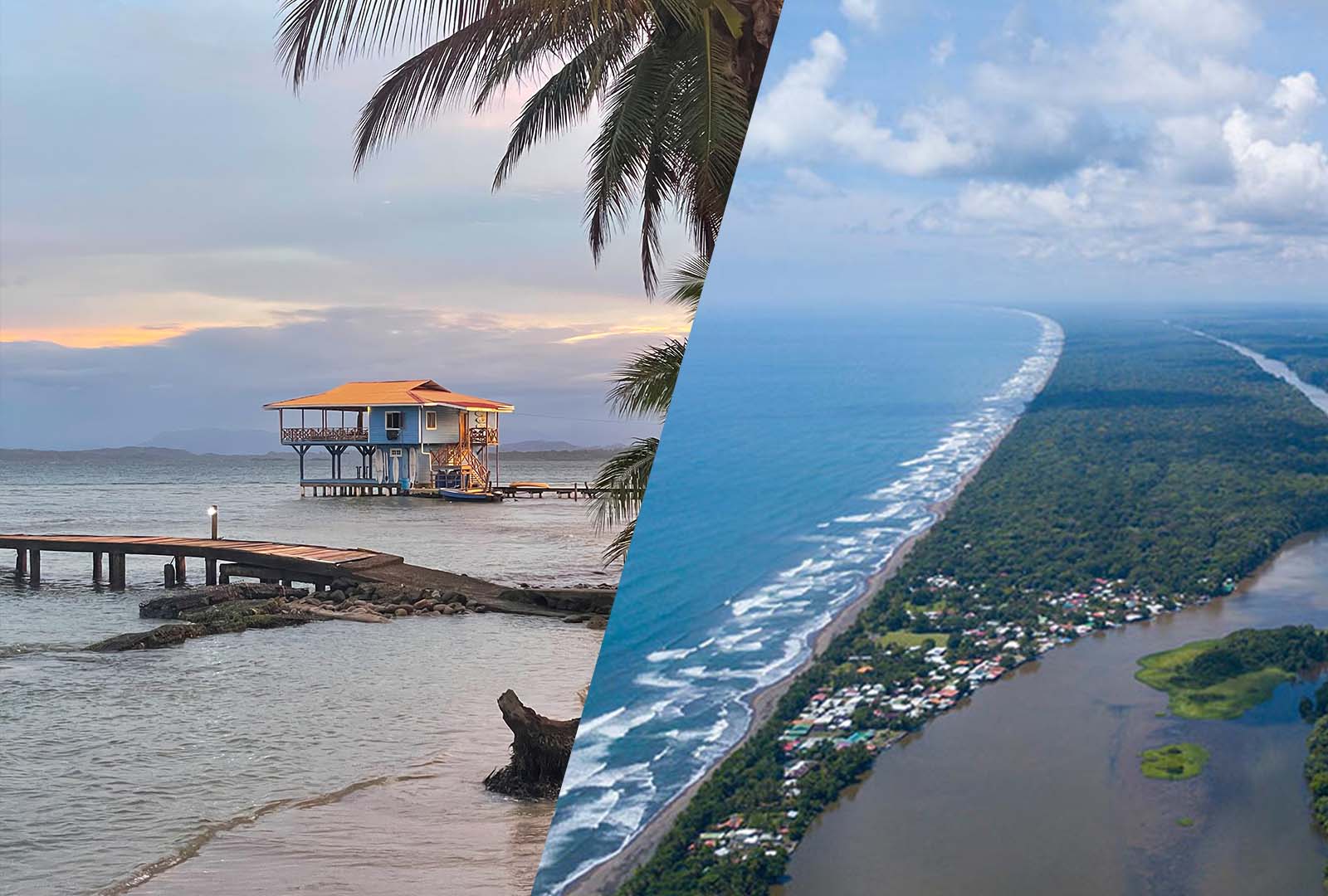
- Where to go: Tortuguero on the Caribbean coast (for Green Turtles) or Ostional on the Nicoya Peninsula (for Olive Ridley Turtles).
- The Experience: Watching these ancient creatures emerge from the surf to lay their eggs under the moonlight is transformative for adults and magical for children.
- Best Season:
- Tortuguero: The peak nesting season for Green Sea Turtles is from July to October, with hatchlings often visible until November.
- Ostional: While “arribadas” can happen year-round, the largest ones occur from August to November, typically coinciding with the new moon.
- Logistics: Tortuguero is only accessible by boat or plane. A private charter flight with Aerocaribe saves you a full day of travel, landing you directly at the Tortuguero airstrip.
2. The Sloths of the Central Pacific and Northern Highlands
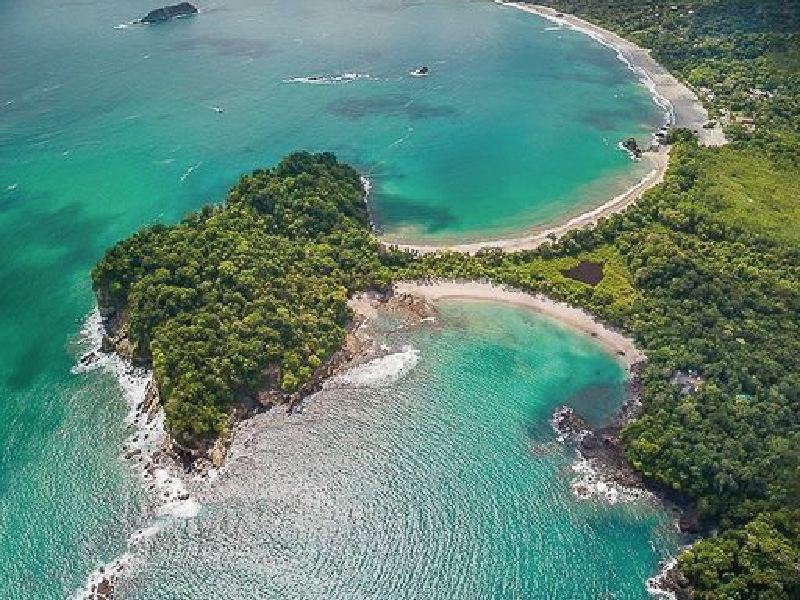
- Where to go: Manuel Antonio National Park or the forests surrounding La Fortuna (Arenal Volcano).
- The Experience: While sloths can be hard to spot, a professional guide can help you find them high in the trees.
- Best Season: Sloths can be observed year-round. However, during the Dry Season (December to April), the lack of dense foliage can make them slightly easier to spot.
- Logistics: As discussed in our Quepos & Manuel Antonio guide, arriving via a quick 20-minute flight allows you to maximize your time in the park.
3. The Majestic Humpback Whales
Costa Rica has the longest whale-watching season in the world because humpbacks from both hemispheres visit our waters.
- Where to go: Uvita (Marino Ballena National Park) or the Drake Bay area in the Osa Peninsula.
- The Experience: Seeing a 40-ton whale breach the surface is an adrenaline rush for everyone.
- Best Season:
- Southern Hemisphere Whales: The best time is from late July to October (peak in September).
- Northern Hemisphere Whales: The season runs from January to March.
- Logistics: Using helicopter flights in costa rica to reach the Osa Peninsula is the most direct way to access deep jungle lodges during peak whale season.
4. Hammerhead Sharks & Marine Giants
For those seeking a deeper connection with the ocean, Costa Rica is a premier destination for pelagic life.
- Where to go: Golfo Dulce (Osa Peninsula) or Isla del Caño. While Cocos Island is the ultimate shark destination, Golfo Dulce is a critical nursery for Hammerhead Sharks.
- The Experience: Snorkeling or diving in these “blue cathedrals” allows you to see schools of sharks and majestic manta rays.
- Best Season: The peak for Hammerhead Shark sightings in the southern regions is during the Rainy Season (May to November), particularly from July to September when nutrient-rich waters attract large groups.
- Logistics: Reaching the Golfo Dulce usually requires a long trek. A private charter to Puerto Jimenez or Golfito puts you at the water’s edge in under an hour.
5. Dolphins: The Year-Round Playmates
Costa Rica’s coastal waters are home to several species of dolphins, including Spinner, Bottlenose, and Spotted dolphins.
- Where to go: Drake Bay, Golfo Dulce, and the Papagayo Gulf.
- The Experience: Dolphins are highly social and often “bow-ride” alongside boats, providing an incredible show for kids.
- Best Season: Dolphins can be seen year-round in Costa Rica. However, for the clearest water and calmest seas (ideal for families with small children), the Dry Season (December to April) is recommended.
- Logistics: A helicopter transfer to a coastal resort in Guanacaste or Osa can get you from the airport to a dolphin-watching boat in record time.
6. Crocodiles & Caimans: The Ancient Predators
Locally known as “lagartos,” these prehistoric reptiles are a source of great curiosity for every visitor. Seeing a 15-foot American Crocodile in the wild is a powerful reminder of nature’s raw strength.
- Where to go: The Tárcoles River (famous for the “Crocodile Bridge”), the canals of Tortuguero, and Caño Negro Wildlife Refuge.
- The Experience: Boat tours allow you to see them sunbathing on the muddy banks or floating silently like logs. It is a thrilling sight for kids and a fantastic photo opportunity for adults.
- Best Season: Crocodiles and Caimans can be seen year-round. However, they are most visible during the Dry Season (December to April), when lower water levels force them to congregate in specific areas and spend more time on the banks.
- Safety Tip: Always view these animals from a safe distance on a boat or from a bridge. Never attempt to feed or approach them.
- Logistics: Flying over the Tárcoles river in an Aerocaribe helicopter or private plane offers a unique aerial perspective of these giants gathered in the river delta.
7. Birds & The Resplendent Quetzal
For birdwatchers and photography enthusiasts, Costa Rica is a dream come true.
- Where to go: Monteverde Cloud Forest or San Gerardo de Dota for the Quetzal.
- The Experience: Walking through the mist-covered cloud forest to find the vibrant green and red plumage of the Quetzal.
- Best Season: The Quetzal breeding season is from February to May. This is when they are most active and visible.
- Specialist Insight: If you are serious about capturing these moments, don’t miss our specialized guide on Birdwatching and Bird Photography in Costa Rica, where we detail technical tips and the best gear for our tropical light.
The Wildlife Circuit: Connecting Ecosystems by Air
A “Special Experience” vacation involves seeing the contrast between the dry forest, the cloud forest, and the rainforest. Traditionally, this involves 20+ hours of driving. With Aerocaribe, you can create a “Wildlife Express” itinerary.
Domestic Flights vs. Private Charters
While local airlines in costa rica like Sansa offer scheduled service, a private charter flight gives your family total control:
- Tailored Routes: Fly directly from the Caribbean coast to the Osa Peninsula in 45 minutes—a route that doesn’t exist on commercial schedules.
- Comfort for Families: Private planes offer more space and a relaxed environment for kids.
- Access to Remote Gems: Land at private airstrips and small airports right next to the country’s most exclusive eco-lodges.
Where to Stay for Maximum Wildlife Encounters
To make your trip truly special, choose accommodations that prioritize conservation:
- Lapa Rios Lodge (Osa Peninsula): Located in a 1,000-acre private reserve.
- Tortuga Lodge & Gardens (Tortuguero): A high-end sanctuary on the riverbanks.
- Nayara Tented Camp (Arenal): Luxury tents with a private sloth sanctuary on-site.
- Pacuare Lodge: Reached via helicopter, this lodge offers world-class birdwatching in the primary forest.
Practical Tips for Your Wildlife Vacation
- Hire a Private Guide: Their telescopes and “extra eye” are essential for spotting camouflaged creatures.
- Gear Up: Binoculars are a must. For photography tips, refer to our dedicated birdwatching blog.
- Safety and Health: Ensure you are traveling with a reputable operator.
- Regulation Compliance: All our flights follow strict DGAC safety protocols.
Conclusion: A Journey into the Heart of Life
By removing the stress of long drives and replacing them with the views of private air travel, you ensure your family’s energy is spent where it matters: marveling at nature. Plan your visit according to the seasons mentioned above to guarantee the best animal watching experience.
For more essential advice on planning your Costa Rican adventure, visit our comprehensive travel tips.
Ready to design your custom Wildlife Safari? Contact Aerocaribe today to book your private flight or helicopter transfer.