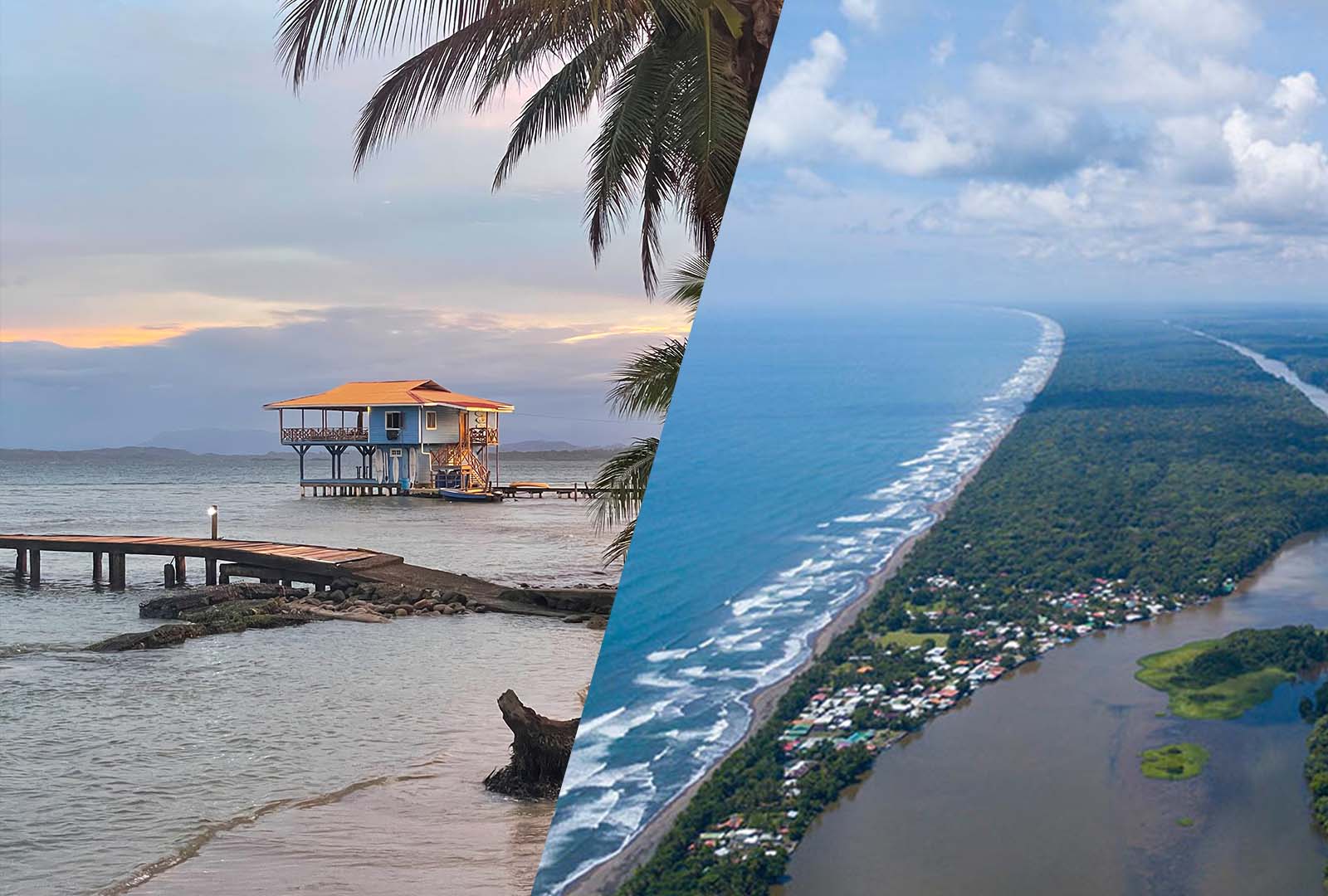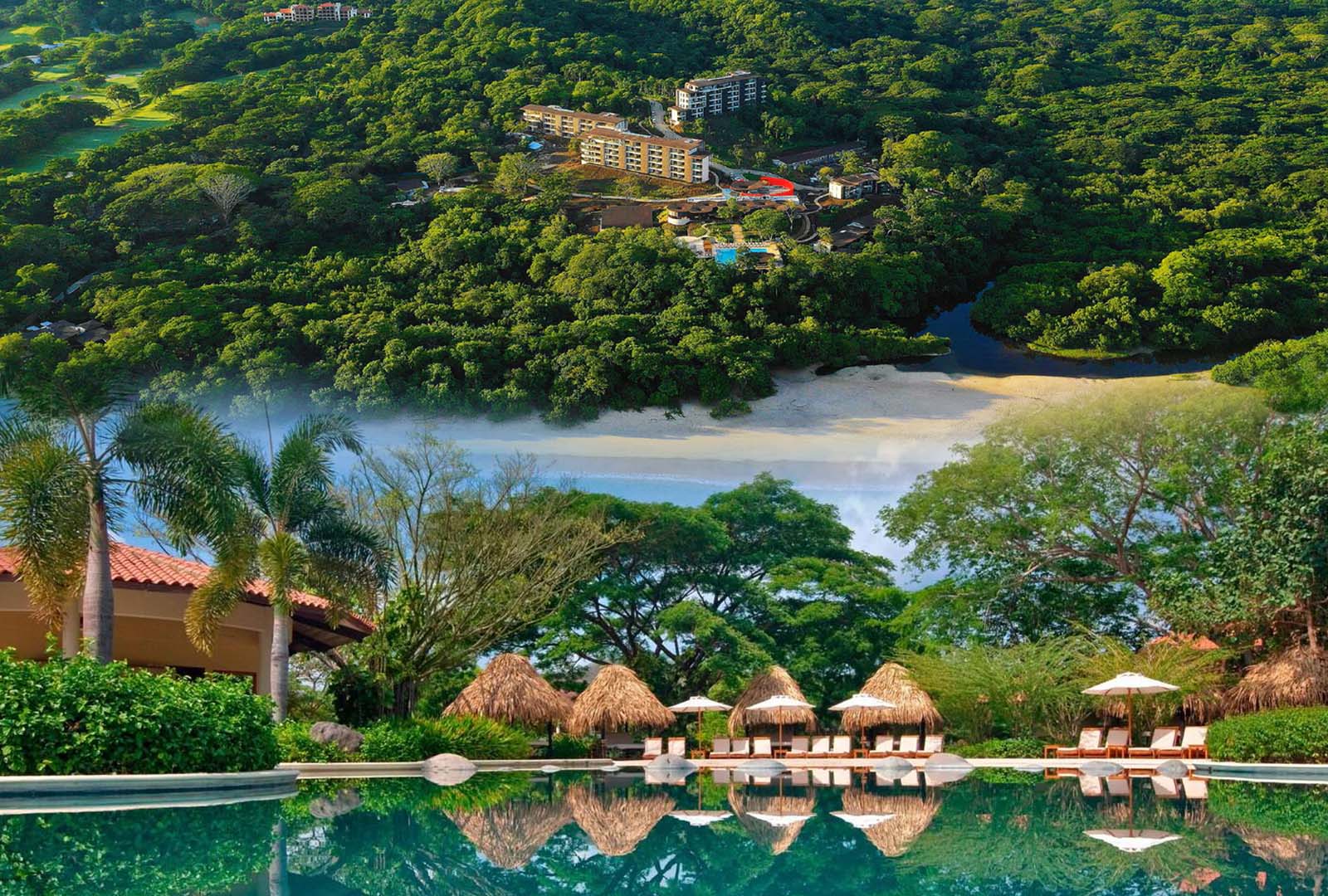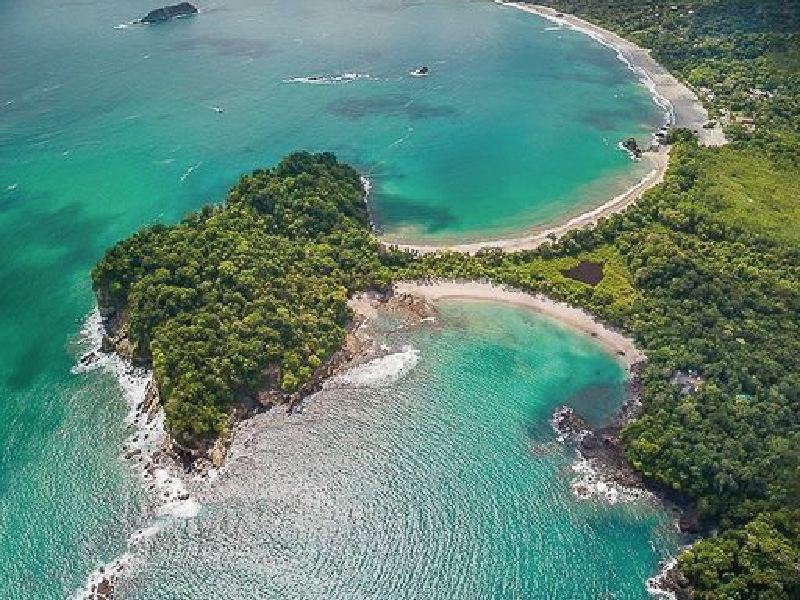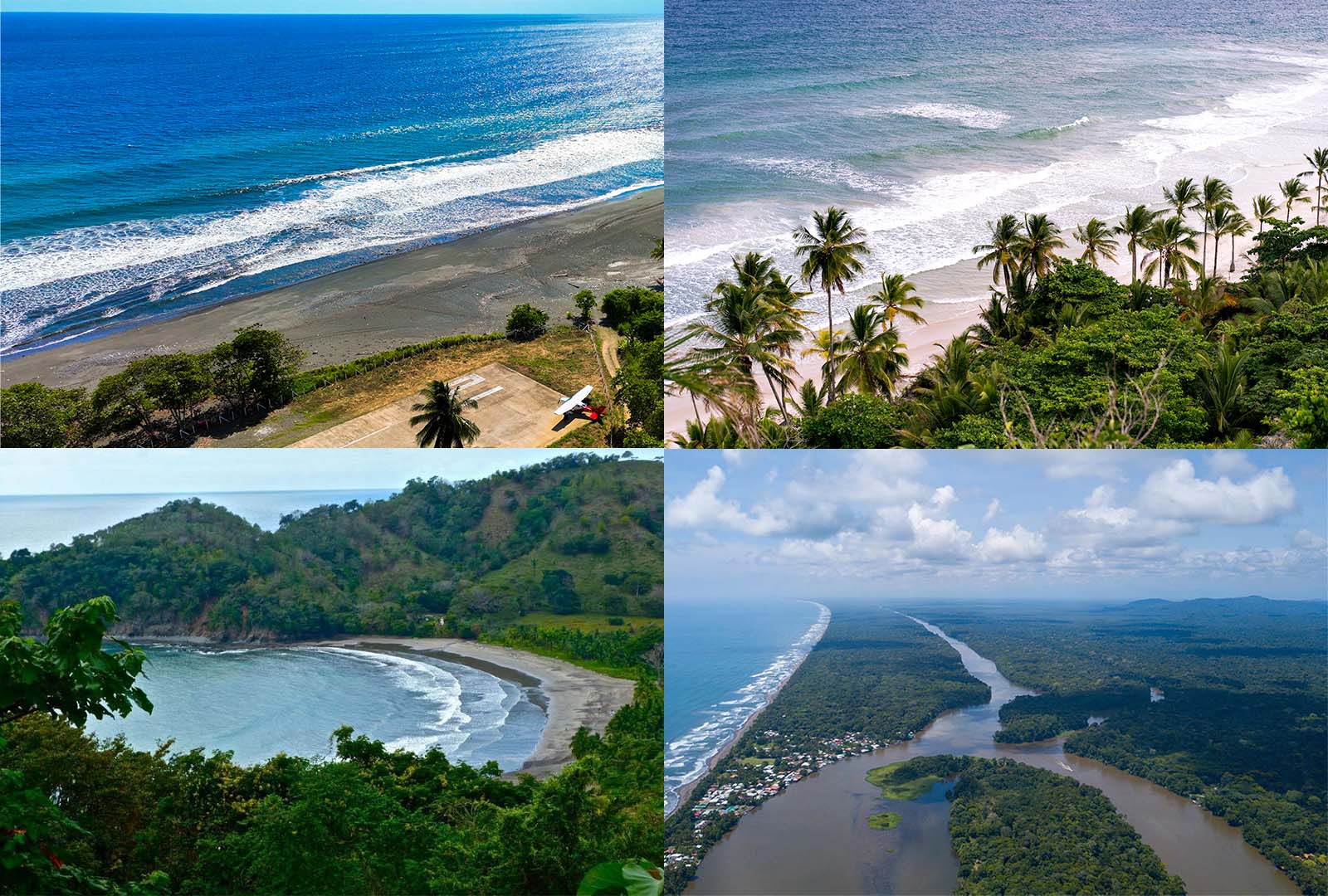
Some of Costa Rica’s most spectacular coastline sits at the end of roads that barely exist — or roads that don’t exist at all. A private charter changes what’s possible.
Costa Rica has over 800 miles of coastline. Most of it is reachable by rental car — eventually, with enough patience, a 4WD, and a willingness to ford a river or two. But a handful of beaches sit in a different category entirely: places where the road runs out, where the jungle meets the Pacific with nothing in between, where the only people on the sand arrived by small plane, or by a boat ride through mangroves, or by hiking for an hour along the beach from the last outpost of civilization.
These are the beaches we’re talking about in this guide. Not the most accessible beaches in Costa Rica. The ones worth the extra effort — and the ones where that effort, when taken by private charter, collapses from a full travel day to a 45-minute flight.
A note on access: Most of the beaches in this guide are not exclusively accessible by plane. In many cases, you can also arrive by boat, by 4WD on rough roads, or by hiking. We’ll tell you every option honestly. What we’ll also tell you is that the private charter is almost always the smartest way — the fastest, the most scenic, and often the one that makes the rest of the trip possible within the time most travelers actually have.
| #1 of 5
Drake Bay & the Corcovado Shoreline The wildest beach in the Western Hemisphere’s most biodiverse park |
| Region: Osa Peninsula, Southern Pacific | Nearest airstrip: Drake Bay (DRK) |
| Aerocaribe flight time: ~60 min from SJO | By road: 7–8 hrs + boat, impassable in rainy season |
| Best for: Wildlife, snorkeling, total immersion in nature | Season: Year-round (dry season Dec–Apr preferred) |
There is a stretch of coastline on the western edge of the Osa Peninsula where the jungle comes all the way to the high-tide line. Scarlet Macaws fly over the waves in pairs. White-faced capuchins work the tree line. At night, sea turtles drag themselves up the dark sand to nest. In the morning, there are almost certainly no other people on the beach.
This is Drake Bay and the beaches of the northern Corcovado coastline — arguably the most ecologically extraordinary shoreline in the Americas. The beach sits inside and immediately adjacent to Corcovado National Park, which National Geographic famously described as the most biologically intense place on the planet. And unlike most national park beaches, there is no parking lot at the end of a paved road. There is no road at all.
🚗 Getting There — All Your Options
| By road (not recommended in rainy season)
Drive from San José to Sierpe (~5–6 hrs). Then a 1.5-hr boat transfer through the mangroves of the Sierpe-Térraba river system to Drake Bay. Total: 7–8 hours minimum. Roads into Sierpe are paved; the final boat leg is non-negotiable — there is no road connecting Sierpe to Drake Bay. In rainy season (May–November), parts of the road south of Palmar Norte can flood. The boat crossing itself can also be rougher in heavy swell. ⚠️ This is a genuine adventure route. Many travelers choose it intentionally for the canal scenery. But it consumes a full day each way. |
| ✈ By Aerocaribe Private Charter (recommended)
Fly from SJO or SYQ to Drake Bay airstrip (DRK) in approximately 60 minutes. The aerial approach over the Osa Peninsula — rainforest canopy to the horizon, then the Pacific appearing below — is genuinely spectacular. Lodge transfers from DRK are standard: most properties send a boat or vehicle to meet you at the airstrip. Coordinate in advance. Aerocaribe also serves Palmar Sur (PMZ), adding flexibility for lodges on the southern Osa. |
🏨 Where to Stay
Drake Bay and the northern Osa coast have a range of lodges from deep jungle to relative comfort. All are all-inclusive or meal-included by necessity — there are no restaurants outside the lodge properties.
- Corcovado Wilderness Lodge (SCP): Luxury eco-lodge directly on the beach inside the park buffer zone. 189 acres of private rainforest, air-conditioned villas, beach club, pool, restaurant. Accessed from Sierpe by boat. One of the most spectacular lodge settings in Costa Rica.
- Drake Bay Wilderness Resort: Classic Drake Bay lodge on the beach, known for excellent guided tours into Corcovado and snorkeling excursions to Caño Island. Mid-range, well-run, genuine jungle experience.
- Aguila de Osa Inn: Hillside lodge above Drake Bay with sweeping ocean views. Popular with sport fishers and divers. Bar, restaurant, infinity pool. Strong guiding program.
🌊 What to Do
- Corcovado National Park day hike: The La Leona or San Pedrillo ranger station entrances are accessible from Drake Bay. All visits require a certified guide (mandatory since 2014). Half-day and full-day options available.
- Caño Island snorkeling & diving: 12 miles offshore — one of the best snorkeling destinations in Central America. Reef sharks, manta rays, sea turtles, dolphins. Day tour by boat from Drake Bay lodges.
- Night turtle tours: July–October: guided night tours to watch olive ridley and leatherback sea turtles nest on the beaches near Drake Bay.
- Kayaking the Sierpe mangroves: Often included as the arrival or departure experience for boat-access guests. Extraordinary birdlife and wildlife in the river system.
| #2 of 5
Playa Carate Where the road ends and Corcovado begins |
| Region: Southern Osa Peninsula, Pacific | Nearest airstrip: Carate (primitive strip) |
| Aerocaribe flight time: ~8 min from Puerto Jiménez / ~65 min from SJO | By road: 6–8 hrs from SJO; rough, 4WD essential; river crossings |
| Best for: Surfers, wildlife, Corcovado access, total solitude | Season: Dec–Apr ideal; road often impassable Sep–Nov |
If you look at a map of Costa Rica and trace the road south from Puerto Jiménez along the Osa Peninsula, you will eventually reach a point where it simply stops. That point is Carate. Beyond it: jungle, beach, and the entrance to Corcovado National Park.
Playa Carate is a dark-sand beach bordered by the Laguna Pejeperrito on one side and the Pacific on the other. It is remote in the truest sense — a small general store and a handful of lodges is essentially the entirety of the settlement. What surrounds it is among the most biodiverse terrain in the Western Hemisphere, and the beach itself is wild, consistent surf and near-guaranteed wildlife encounters from the shoreline.
🚗 Getting There — All Your Options
| By road (challenging, 4WD essential)
From Puerto Jiménez: approximately 1 hour on an unpaved coastal road with river crossings and significant potholes. A 4WD vehicle is required at all times of year. From San José: approximately 6–8 hours total. The road past Matapalo — roughly the last 30 km — is particularly rough. From September to November, the road can become impassable for days at a time due to flooding and river levels. |
| ✈ By Aerocaribe Private Charter (recommended)
Aerocaribe flies to Puerto Jiménez (PJM) — about 50 minutes from SJO — and can also arrange the short 8-minute hop to Carate’s primitive airstrip. Lodge owners coordinate pickup directly. This is the definitive upgrade: skip the river crossings entirely and arrive by air. From the Carate airstrip, most lodges are within walking distance or a short vehicle transfer. For guests combining multiple Osa destinations — Drake Bay and Carate, for example — Aerocaribe can build a multi-leg itinerary that would be close to impossible by ground. |
🏨 Where to Stay
- Luna Lodge: Featured in Condé Nast Traveler and Travel & Leisure. Set 60 acres of primary rainforest above Carate, with pool, spa, yoga platform, and organic garden. Bungalows, glamping tents, and hacienda-style rooms. All meals included. Transfers by charter from PJM.
- Finca Exotica Eco Lodge: Barefoot eco-lodge right on Carate beach. Three accommodation styles, outdoor showers, direct beach access, simple but extraordinary setting. The definition of off-grid.
- La Leona Eco Lodge: A 3 km beach walk from Carate — the only lodge directly on the boundary of Corcovado’s La Leona station. Glamping tents. All meals included. The most immersive Corcovado experience available.
🌊 What to Do
- Surfing Playa Carate: Consistent beach break, uncrowded, with rocky sections requiring protective footwear. Works well at mid-tide. No surf schools — bring your own board or arrange through your lodge.
- Corcovado National Park — La Leona sector: 3 km walk along the beach from Carate. Enter the park at La Leona ranger station. Half-day and full-day jungle treks with mandatory licensed guides. Best wildlife concentration in Costa Rica.
- Stand-up paddleboarding on Laguna Pejeperrito: The spring-fed lagoon behind the beach is calm enough for paddleboarding and wildlife spotting. Birds, caimans, and river wildlife.
- Stargazing: Zero light pollution. The Osa Peninsula at night, with no roads and no towns, offers some of the darkest skies in Central America.
| #3 of 5
Playa Islita (Punta Islita) A cove, a hilltop hotel, a private runway, and some of the best sunsets in Costa Rica |
| Region: Nicoya Peninsula, Guanacaste, Pacific | Nearest airstrip: Islita (PBP) — paved, at the resort |
| Aerocaribe flight time: ~40 min from SJO / ~35 min from LIR | By road: 3.5 hrs from SJO; 2 hrs from Liberia (4WD in rainy season) |
| Best for: Luxury couples, honeymoons, sunsets, art, turtles (seasonal) | Season: Year-round; driving strongly discouraged in rainy season |
Punta Islita sits in a small rocky cove on the Nicoya Peninsula, south of Sámara and well off the well-traveled Guanacaste hotel corridor. The beach itself — Playa Islita and the connected Playa Corozalito — is a crescent of dark volcanic sand sheltered by dramatic cliff walls, with views of an iconic rocky islet just offshore. There is almost nothing else around.
The reason Punta Islita makes this list is not just the beach, though the beach is remarkable. It’s the combination: one of Costa Rica’s best luxury boutique hotels perched on the hillside above it, a paved private runway belonging to the resort, an open-air museum of contemporary art in the village, olive ridley turtle nesting on Corozalito beach July through November, and sunsets that — without exaggeration — are some of the finest in the country.
🚗 Getting There — All Your Options
| By road (possible in dry season; not recommended in rainy season)
From San José: approximately 3.5 hours via Nicoya city and Sámara. The final stretch from Carrillo to Punta Islita involves a river ford that is manageable in dry season with a 4WD, but becomes genuinely difficult or impassable in heavy rains. From Liberia International: approximately 2 hours. ⚠️ May through November: Hotel Punta Islita strongly recommends flying rather than driving. Several sections of the approach road can become hazardous in rainy season. |
| ✈ By Aerocaribe Private Charter (recommended — especially in rainy season)
Aerocaribe flies to Islita Airstrip (PBP), a paved 850-meter runway located at Hotel Punta Islita’s own property. This is a genuine private arrival: you touch down on the resort’s runway and check in within minutes. Flight time: approximately 40 minutes from San José (SJO or SYQ), 35 minutes from Liberia (LIR). No shuttle. No transfer. Land at the hotel. |
🏨 Where to Stay
- Hotel Punta Islita, Autograph Collection (Marriott): Costa Rica’s most celebrated Nicoya Peninsula boutique resort. 56 rooms, suites, and private villas on 80 acres. Infinity pool with panoramic ocean view, Nanku Wellbeing Spa (inspired by Chorotega indigenous heritage), two restaurants, beach club. Adults-preferred atmosphere. Private villas with plunge pools available.
🍽️ Dining
- Alma Restaurant (Hotel Punta Islita): Main restaurant on the hillside terrace. Panoramic Pacific views. International cuisine with strong Costa Rican influence and locally sourced ingredients. Breakfast included for hotel guests. Sunset dinner here is one of the great experiences in Costa Rica.
- Aura Beach Club: Oceanfront restaurant and bar at the beach below the hotel. Seafood, bar snacks, and cocktails. Pool access. Hotel shuttle connects the two properties on demand.
- Village sodas, Punta Islita: A handful of traditional local restaurants in the village serve casado (rice and beans with fish or meat), ceviche, and fresh seafood. Simple, authentic, and a way to support the local community directly.
🌊 What to Do
- Open-Air Museum of Contemporary Art: The village of Punta Islita was transformed in the 1990s into an open-air gallery, with murals covering walls, sculptures on the football pitch, and artisan workshops in pottery, painting, and traditional mask-making. One of Costa Rica’s most unusual cultural experiences.
- Sea turtle nesting tours — Corozalito: July to November: olive ridley and hawksbill turtles nest on Playa Corozalito, immediately adjacent to Punta Islita. Night tours with hotel guides.
- Kayaking mangroves: The mangrove estuary behind Playa Corozalito is excellent for bird spotting and wildlife by kayak.
- Horseback riding: The hotel has its own stables. Guided rides through the forest and down to the beach are a classic Punta Islita activity.
- Zip-lining and canopy tours: Offered through the hotel activities program.
- Surf at Playa Camaronal: A short drive from Punta Islita — one of the area’s best surfing beaches, with consistent beach break and few people.
| #4 of 5
Playa Tortuguero The most important sea turtle nesting beach in the Western Hemisphere — and the only way in is by water or air |
| Region: Northern Caribbean Coast | Nearest airstrip: Tortuguero (TTQ) |
| Aerocaribe flight time: ~35 min from SJO | By land: No road. Drive to La Pavona (2.5–3 hrs) + 1-hr boat transfer |
| Best for: Sea turtle nesting (Jul–Oct), canal wildlife, leatherback turtles (Feb–Apr) | Season: Year-round wildlife; turtle season Jul–Oct for green turtles |
Playa Tortuguero is Costa Rica’s most dramatic statement on what a beach can be. There is no road to it — not even a rough one. The village of Tortuguero sits on a sandbar barely wide enough for a footpath between the Caribbean Sea and the canal system. There are no cars in the village. The beach stretches north for miles, backed by dense jungle, with almost no development in sight.
Every year, up to 20,000 green sea turtles crawl out of the Caribbean to nest on this beach. It is the largest green turtle nesting colony in the Western Hemisphere. Leatherback turtles — the largest reptile on Earth — also arrive in late winter. The park itself is Costa Rica’s third-most visited national park, which is extraordinary given that visiting it requires a dedicated logistical effort.
🚗 Getting There — All Your Options
| By car + boat (the most common option for independent travelers)
Drive from San José to La Pavona dock: approximately 2.5–3 hours via Route 32 through Braulio Carrillo. Leave early; morning departures recommended. Collective boat from La Pavona to Tortuguero village: 1 hour through the jungle canal system. An extraordinary journey in itself — the canals are full of wildlife. Total one-way journey: 4–5 hours minimum. It is worth doing at least once for the canal experience. |
| ✈ By Aerocaribe Private Charter (recommended for time-limited itineraries)
Fly from SJO or SYQ to Tortuguero airstrip (TTQ): approximately 35 minutes. Aerial approach over Braulio Carrillo cloud forest, banana plantations, and then the Caribbean canal system is spectacular. Airstrip is located a short 5–10-minute boat ride from Tortuguero village. Most lodges arrange direct water-taxi pickup. Private charter is the only way to realistically combine Tortuguero with other Costa Rica destinations in a standard 7–10 day trip. |
🏨 Where to Stay
- Tortuga Lodge & Gardens (Costa Rica Expeditions): The original luxury Tortuguero lodge. Set in 175 acres of private gardens and forest north of the village. Private dock, pool, open-air restaurant, excellent guides. All-inclusive packages. Long-running conservation partnership with sea turtle research.
- Mawamba Lodge: Well-regarded mid-range lodge north of the village on the canal side. Includes wildlife tours. Families welcome. Good wildlife from the lodge grounds.
- Manatus Hotel: Boutique hotel option closer to the village. Pool, air conditioning (uncommon here), quality restaurant. Smaller, more personalized experience.
🌊 What to Do
- Sea turtle night tours: July–October for green turtles; February–April for leatherbacks. Mandatory guide required. Night tours fill up quickly during peak season — book weeks in advance.
- Dawn canal kayak or boat tour: The single best wildlife activity in Tortuguero. The canals at 5:30 am, in a kayak, with a good guide: caimans, spider monkeys, sloths, green herons, kingfishers, Jesus Christ lizards running on water. Budget 3 hours.
- Cerro de Tortuguero hike: At 119 meters, the highest point on the sandbar. Views of the canal, village, and Caribbean. 2-hour roundtrip. One of few land-based hikes in the park.
- Snorkeling at Jalova: The southern sector of the park has some Caribbean reef snorkeling, accessible by boat from the village.
| #5 of 5
Playa Guiones (Nosara) Costa Rica’s wellness capital — an uncrowded Pacific surf beach with a Blue Zone at its back |
| Region: Nicoya Peninsula, Guanacaste, Pacific | Nearest airstrip: Nosara (NOB) |
| Aerocaribe flight time: ~50 min from SJO / ~40 min from LIR | By road: 4.5–5 hrs from SJO; partially unpaved, 4WD recommended |
| Best for: Surfing, yoga retreats, wellness travel, sunsets, digital nomads | Season: Year-round; dry season Dec–Apr for cleaner swells |
Nosara is a different kind of remote. It is not inaccessible in the way that Drake Bay or Carate are — there is a road, and increasingly a good one. But the Nicoya Peninsula has managed to stay genuinely apart from the mainstream Costa Rica tourist circuit in a way that almost nowhere on the Pacific coast has. Nosara’s beaches — Playa Guiones, Playa Pelada, and Playa Garza — have no high-rise development, no strip of souvenir shops, and no chain restaurants. By design.
Playa Guiones specifically has become one of the best-known surf beaches in Central America: a long, consistent beach break with multiple peaks, very few crowds by global standards, and a lineup that works for both intermediate surfers and advanced ones depending on the swell. The town behind it is a global wellness and yoga destination, with studios, retreat centers, and healthy restaurants per capita that rival Ubud.
Nosara also sits squarely inside the Nicoya Peninsula Blue Zone — one of the five regions in the world where people live measurably longer than average. The combination of lifestyle, diet, community, and environment has made it a subject of genuine longevity research.
🚗 Getting There — All Your Options
| By road (possible but demanding)
From San José: approximately 4.5–5 hours. The approach road from Nicoya to Nosara is partially unpaved — approximately 20 km of rough road that is passable in dry season with most vehicles, but benefits from a 4WD. Improvements are ongoing: as of 2025, much of the road has been paved. Verify current conditions before traveling. From Liberia: approximately 3.5–4 hours with the same unpaved sections. |
| ✈ By Aerocaribe Private Charter (recommended)
Nosara Airport (NOB) is a small strip directly in town. Flight time is approximately 50 minutes from San José and 40 minutes from Liberia. For travelers combining Nosara with other Nicoya Peninsula destinations — Sámara, Punta Islita, Montezuma — Aerocaribe can build a multi-stop itinerary by air that would take three days to execute by road. Wellness retreat groups and yoga programs frequently fly guests in via NOB to maximize time on the beach and minimize travel stress. |
🏨 Where to Stay
- Harmony Hotel Nosara: Surf and yoga hotel directly on Playa Guiones. Pool, spa, farm-to-table restaurant (Organico), yoga shala, surf school. One of the original wellness properties in Nosara. Boutique, mid-to-high range.
- The Gilded Iguana: Mid-range hotel and restaurant in Playa Guiones. The best full-service property at beach level with a bar, pool, and direct beach access. Popular with surfers.
- Nosara Retreat: Higher-end wellness retreat property with yoga program, individual treatments, and jungle bungalows. Not directly on the beach but well-positioned.
- Lagarta Lodge: Hillside boutique hotel above Playa Pelada with stunning views, private nature reserve, and excellent birding. Restaurant and pool.
🍽️ Dining
- Organico (Harmony Hotel): Farm-to-table restaurant, smoothie bowls, fresh juices, plant-forward menu. Best healthy breakfast and lunch in Nosara. Open to non-guests.
- La Luna: Hilltop restaurant above Playa Pelada with sweeping Pacific views. International menu with strong local seafood. Best sunset dinner in Nosara. Reservations recommended.
- Robin’s Ice Cream & Smoothies: A Nosara institution. Homemade ice cream, tropical fruit smoothies. The post-surf ritual.
- Martin’s: Casual open-air restaurant on Playa Guiones. Reliable seafood, cold beer, direct beach views. Great for lunch.
- The Gilded Iguana Bar: The social hub of Playa Guiones. Good bar food, sports on screen, live music. The place where everyone ends up after sunset.
🌊 What to Do
- Surf Playa Guiones: Multiple beach break peaks, working from 2-foot fun waves to overhead-plus swells. Surf schools (Coconut Harry’s, Safari Surf) for beginners. Rentals everywhere. Morning sessions are glassier.
- Yoga and wellness: Nosara Yoga Institute (one of the oldest in Costa Rica), Blue Spirit, Del Mar Wellness, and dozens of independent teachers. Drop-in classes available daily.
- Sea turtle nesting — Ostional (20 min away): Ostional National Wildlife Refuge is 20 minutes north of Nosara. Home to the world’s largest olive ridley arribada — mass nesting events where thousands of turtles come ashore simultaneously. August–November peak.
- Kayaking Playa Garza and Playa Pelada: Two smaller, calmer beaches south of Guiones are ideal for kayaking, snorkeling, and tide pool exploration.
- Birding at Lagarta Lodge nature reserve: Private 90-acre reserve with trails through mangrove and tropical forest. Excellent for birding at dawn.
Plan a Beach-Hopping Circuit with Aerocaribe
One of the most compelling things about Costa Rica’s remote beaches is that, by private charter, they are not as isolated from each other as they appear on a map. Aerocaribe can build multi-stop itineraries that combine beaches from this list — and others — into a single seamless trip.
| Day | Route | Why |
| Day 1–2 | Arrive SJO → Charter to Drake Bay (DRK) | 2 nights in the world’s most biodiverse park. Corcovado hike, Caño Island snorkel. |
| Day 3 | Charter Drake Bay → Carate (8 min hop) | Experience the south Osa without a day on dirt roads. Sunset from Finca Exotica. |
| Day 4–5 | Charter Carate/PJM → Punta Islita (PBP) | Land at the resort runway. 2 nights at Punta Islita, sunset dinners at Alma. |
| Day 6–7 | Charter Punta Islita → Nosara (NOB) | 20-min hop up the coast. 2 nights of surf and yoga. Organico breakfast. |
| Day 8 | Charter Nosara → SJO | 45 min home. Entire trip: 8 days, 4 beaches, 0 rental car days. |
For a tailor-made Costa Rica tour built around your Aerocaribe flights, Aerocaribe works alongside Swiss Tropical Tourism — a specialist agency that can design lodges, activities, and ground logistics to complement each charter leg perfectly.
| Which beach is next on your list?
Aerocaribe flies to all five beaches in this guide. We can build a multi-destination itinerary around your schedule, your group size, and the beaches you want to reach — with transparent pricing and flexible departure from any airport in Costa Rica. 📧 reservations@aerocaribecr.com 📞 (506) 2231-0608 ✈ Fly Higher. Fly Different. |