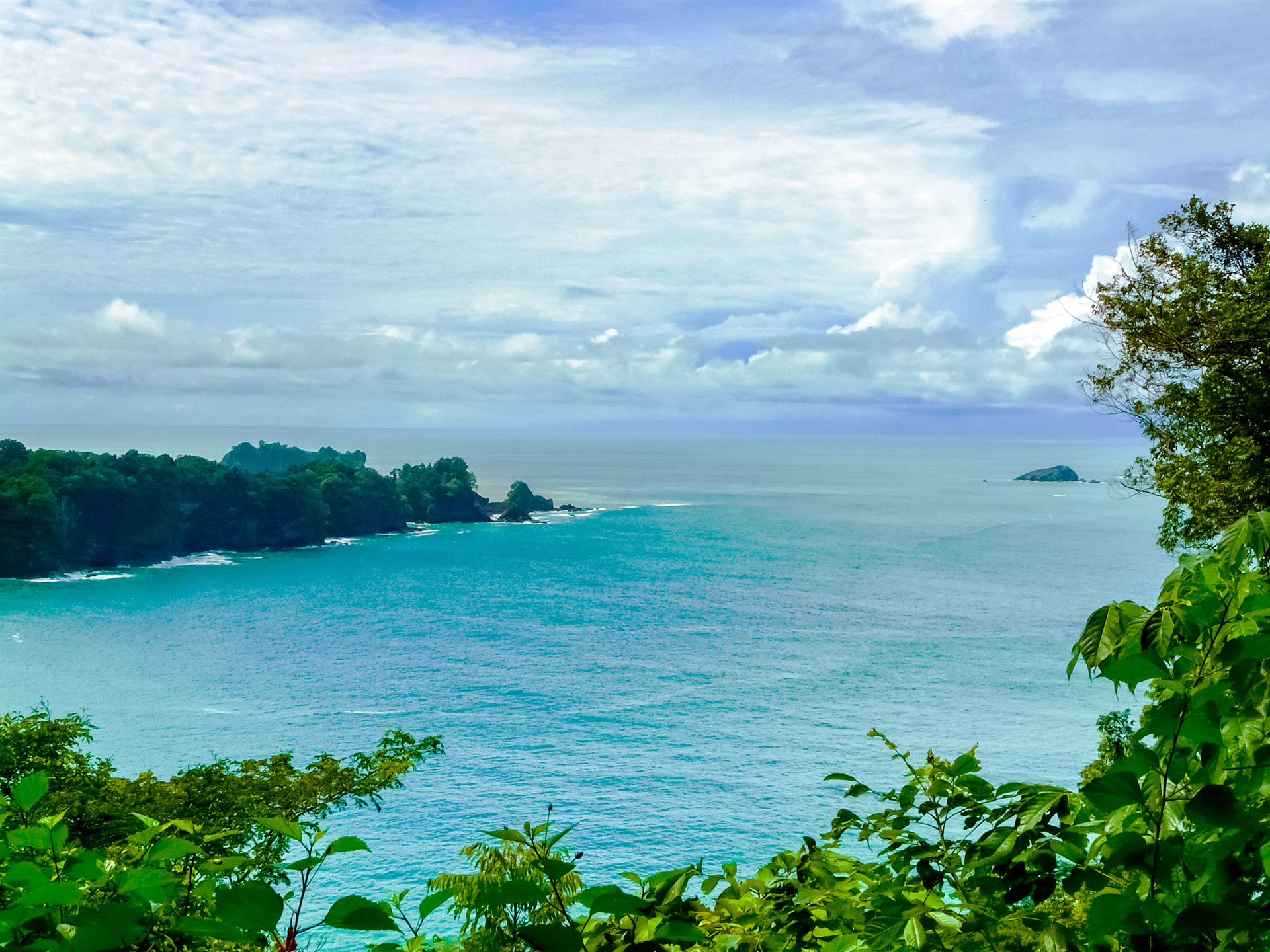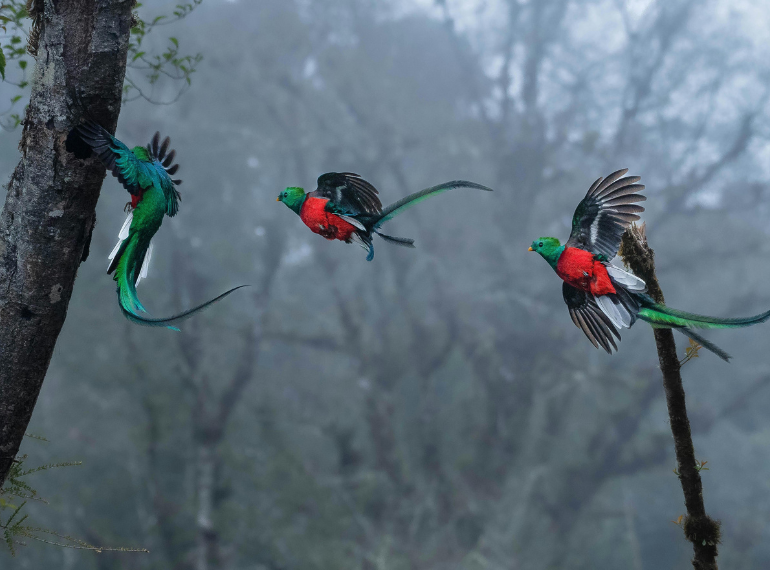
For a photographer, Costa Rica is not just a destination; it is a high-definition playground where every layer of the ecosystem offers a distinct visual challenge. From the neon-green eyes of a tree frog to the iridescent plumage of the Resplendent Quetzal and the intricate patterns of prehistoric ferns, this country is a masterclass in texture, color, and light.
For travelers from the United States and Canada, planning a photography-centric trip requires a balance between patience and access. In this guide, we explore how to master bird, animal, and botanical photography through two distinct lenses: the “Slow Travel” campervan approach and the “High-Efficiency” private flight experience.
The Photographer’s Dilemma: Slow Path vs. Fast Path
Depending on your portfolio goals, the way you move through the country will dictate the type of shots you capture.
1. The “Van Life” Experience: Campervans and Botanical Macro
For photographers specializing in botanical photography and macro shots, traveling in a campervan is an unmatched advantage.
- Macro at Your Doorstep: Many of Costa Rica’s rarest orchids, bromeliads, and fungi are found in remote damp forests. Camping allows you to be “inside” the subject matter, capturing the dew on a Heliconia flower at the first crack of light.
- Flexibility for Light: Vegetation photography often requires overcast “soft box” light to capture the deep greens of the rainforest without harsh shadows. A campervan allows you to wait out the sun until the clouds provide the perfect diffused lighting.
- The “Slow” Vibe: This method is ideal for those documenting the “journey.” However, remember that the “bad roads” mentioned in our Nosara guide can be tough on sensitive lenses; ensure your gear is stored in high-quality vibration-resistant cases.
2. The “High-Efficiency” Experience: Avian and Aerial Photography
If your focus is avian photography (birding) or wide-angle landscapes, time and perspective are everything.
- The Avian Circuit: Birds like the Scarlet Macaw and the Jabiru Stork are found in completely different regions. By choosing private charter flights with Aerocaribe, you can photograph water birds in the northern wetlands and then fly to the southern rainforests for parrots in the same day.
- Aerial Portfolios: Flying in a helicopter or private plane offers a unique “top-down” perspective. Capturing the textures of the rainforest canopy or the geometric patterns of the Tárcoles river delta from above is a niche that ground-based photographers simply cannot access.
- Equipment Safety: Private aviation offers a pressurized, climate-controlled, and smooth environment, which is vital for maintaining the calibration of long 600mm or 800mm telephoto lenses.
Specialized Photography Types in Costa Rica
Avian Photography: Capturing Action and Color
Costa Rica is home to over 900 bird species. The goal here is often capturing “behavior”—a hummingbird mid-hover or a toucan feeding.
- Challenges: High shutter speeds (1/2000s or faster) are required to freeze wings, but the jungle floor is often dark. High ISO performance and fast apertures (f/2.8 or f/4) are your best friends.
- Target Species: Scarlet Macaws, Kingfishers, Motmots, and the legendary Resplendent Quetzal.
Botanical & Vegetation Photography: Textures and Patterns
The rainforest is a fractal universe. For those interested in plants, the focus shifts to patterns and “mood.”
- Macro Photography: Costa Rica has over 1,400 species of orchids. Capturing the intricate centers of these flowers requires a dedicated macro lens and often a ring flash to highlight details without burning out the colors.
- Forest Scapes: Wide-angle photography of massive Ceiba trees or the architectural leaves of the “Poor Man’s Umbrella” (Gunnera insignis) requires understanding depth of field to keep the entire jungle scene sharp from front to back.
Top Destinations for Photography Expeditions
San Gerardo de Dota: The Cloud Forest Palette
This is the kingdom of the Quetzal. The lighting here is moody, misty, and ethereal—perfect for high-contrast shots of the bird’s emerald feathers against the grey fog.
Caño Negro: The Wetland Studio
Photography here is done from a boat, providing a low-angle perspective on water birds and caimans. The water reflections at sunrise create a “double-subject” effect that is a favorite for professional portfolios.
The Osa Peninsula: The Biodiversity Epicenter
For a mix of everything—monkeys, birds, and ancient trees—the Osa is unbeatable. To reach the most remote photography lodges, a helicopter transfer is highly recommended to avoid the long boat transits that can expose your gear to salt spray.
The Essential Role of the Professional Guide
A guide is your most important “filter.” For bird photography, they use laser pointers (carefully) to show you exactly where a bird is hidden in the canopy. For botanical enthusiasts, they can identify rare flowers that look like ordinary leaves to the untrained eye. At Aerocaribe, we often coordinate with top-tier naturalist guides to meet our clients at regional private airports.
Practical Tips for Tropical Photography
- Moisture Control: Humidity can cause fungus inside your lenses. Always use dry bags and silica packs, especially when camping or traveling in a campervan.
- Support Systems: A sturdy carbon-fiber tripod is non-negotiable for low-light forest shots.
- Ethics: We strictly follow the “no-flash” rule for nocturnal animals and nesting birds. For more on our ethical and safety standards, refer to our DGAC and safety guide.
Conclusion: Frame Your Adventure
Whether you choose the slow, nomadic path of a campervan to document the flora or the rapid, panoramic advantage of a private flight to capture rare birds, Costa Rica will reward your lens.
For more essential advice on planning your photography expedition, check out our Costa Rica travel tips.
Ready to capture the Pura Vida spirit? Contact Aerocaribe today to plan your personalized photography flight or helicopter tour.